Application period for 2027 is open.
The Stewardship Council is back with a new round of community grants, spreading care and building environmental awareness across the watershed! From October 1 through December 29, you can apply for a grant ranging from $2,000 to $20,000 for projects that will protect, preserve, and enhance the outstanding and remarkable values of the 7 federally designated Wild and Scenic Rivers in the Wood-Pawcatuck Watershed. Through this grant program, we provide funding to organizations whose projects align with Stewardship Plan – Chapter 6. Last year’s grant round was a huge success, with funding provided to 8 projects across the watershed. This year, thanks to the US National Park Service Wild and Scenic Rivers Program, the Stewardship Council has a total of $75,000 to distribute.
Wood-Pawcatuck Wild and Scenic Rivers Community Grants
The Stewardship Council is seeking grant applications for projects that promote stewardship of the watershed’s rivers, streams, and brooks, or protect or enhance their outstandingly remarkable values. Grant proposals should address action strategies contained in Chapter Six of our Stewardship Plan. This year, proposals that address the following topics will receive elevated consideration:
- preserve and protect water quality and quantity
- preserve, protect, and restore habitat
- reduce the impact of ecologically harmful species
Quick Facts:
- Eligible Applicants: Non-profit organizations; local, state, and regional governmental agencies and commissions; Tribal and First Nations; public schools and other educational institutions. All other groups, individuals and businesses interested in applying for funding should partner with an eligible entity.
- Application Period: Grant applications will be accepted via email to coordinator@WPWildRivers.org through December 29th, 2026.
- Grant Awards: Grants up to $20,000 are available. These funds can be used as part of a larger project, but are not eligible as a match for other federal grant programs.
- Location: Grant proposals must involve activities located in at least one town within the Wood-Pawcatuck watershed and, with only a few exceptions, occur within the watershed itself.
- Deadline: Due to our funding cycle, only grant requests that can meet a December 31, 2028 final report deadline are eligible to apply for this round of grants
Process and Application
Click here for Grant Instructions and Click here for the Application. Have questions about your eligibility or need assistance filling out the application? Please email Casey Merkle, Wild and Scenic Rivers Coordinator at coordinator@WPWildRivers.org.
2025 Completed Grant Projects
Rare Plant Element Occurrence (EO) Update in the Pawcatuck Watershed
86 field surveys completed for 57 rare plant species, with 68 surveys conducted within the watershed. Records were updated in the Rhode Island Natural History Survey database to strengthen conservation decision-making statewide.
Westerly Land Trust
Acquisition of 4.6 acres at 22 Boy Scout Drive, Westerly, RI, permanently conserving open space within the Pawcatuck watershed.
Tomaquag Museum
Completed staff trainings and launched Traditional Ecological Knowledge (TEK) walking and kayak tours, expanded educator resources, hosted public programs and demonstrations, and delivered a two-week STEM summer camp integrating Indigenous environmental knowledge. [Insert artist sentence here].
Town of Westerly, RI
Restored a key bridge in Westerly Town Forest (Eagle Scout–led, ~200 volunteer hours), installed new trail markers (~60 volunteer hours), and hosted a public guided walk along newly marked trails near the Pawcatuck River.
North Stonington Historical Society
Removed invasive Tree of Heaven along the Shunock River in North Stonington, CT, planted native historic species, and hosted public programs highlighting native plant restoration and local river history.
2023 Success Stories
North Stonington Students Research Watershed Thanks to Wild and Scenic Rivers Grant
By Hugh Markey, January 2024
Sixth graders from North Stonington’s Wheeler Middle School had a chance to learn about watersheds and their importance thanks to a grant from the Wood-Pawcatuck Wild and Scenic Rivers Stewardship Council. Through collaboration with the North Stonington Sustainability Committee, Project Oceanology, a nonprofit based in CT, provided hands-on, experientially focused STEM programming about the Wood-Pawcatuck watershed’s rivers and surroundings. Students were provided the opportunity to study and interact with live plants and animals, as they learned about the physical and biological structure of this important habitat. Read more…
Better Grassland Brings Better Environment: WP Wild Rivers’ $4,000 grant clears invasives in Richmond
By Hugh Markey, September 2023
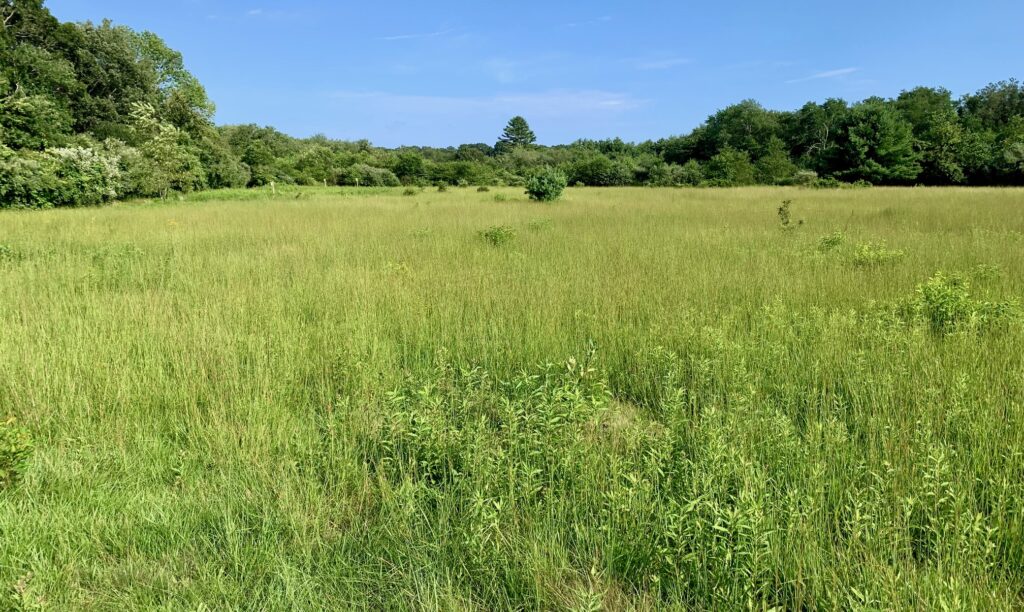
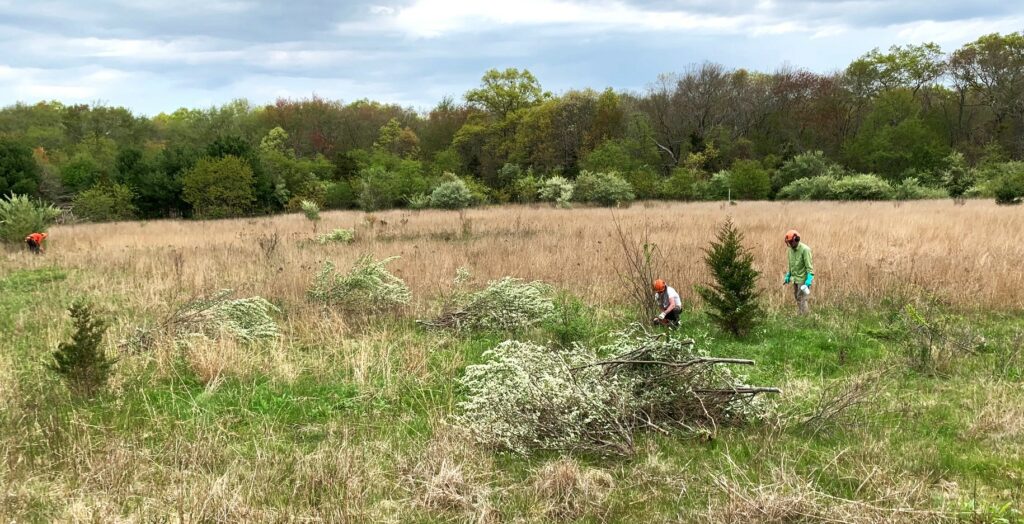
Not long ago, the grassland near Richmond’s Beaver River playground was a bit of an environmental mess. Although the town was technically in charge of the maintenance of the area, there never seemed to be any funding for maintaining it in a healthy, ecologically sound manner. Woody invasives were running rampant, actually changing the environment for the worse. Read more…
The Unexpected Trout: Westerly Land Trust nurtures Mastuxet Brook through WP Rivers grant
By Hugh Markey, October 2023
The parking lot at Rotary Park in Westerly is buzzing as harried parents and grandparents bring children to tennis lessons. Others watch over kids who prefer to enjoy the elaborate playground equipment. Overhead, small planes buzz by as they land and take off at the Westerly Airport, just across the street.
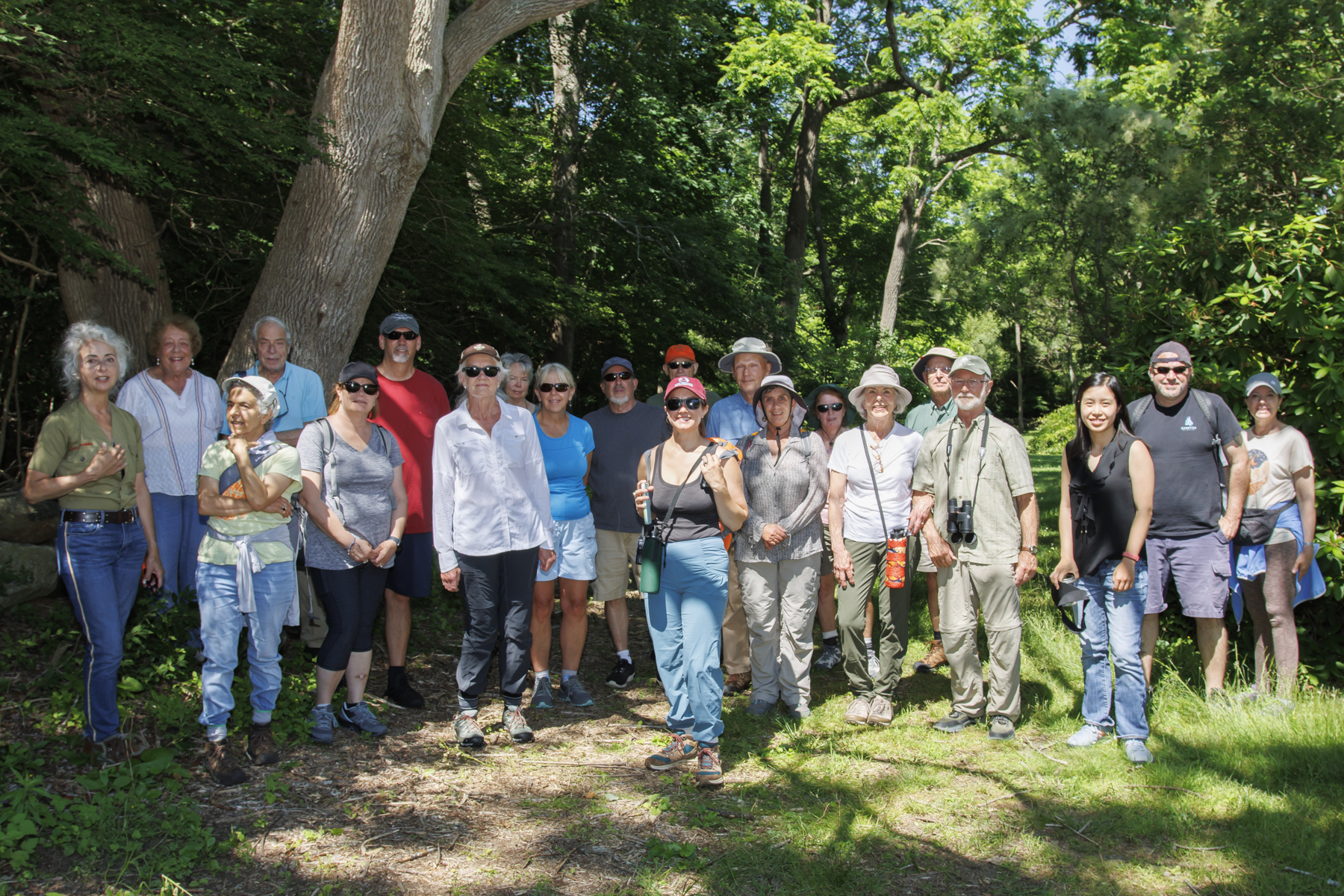
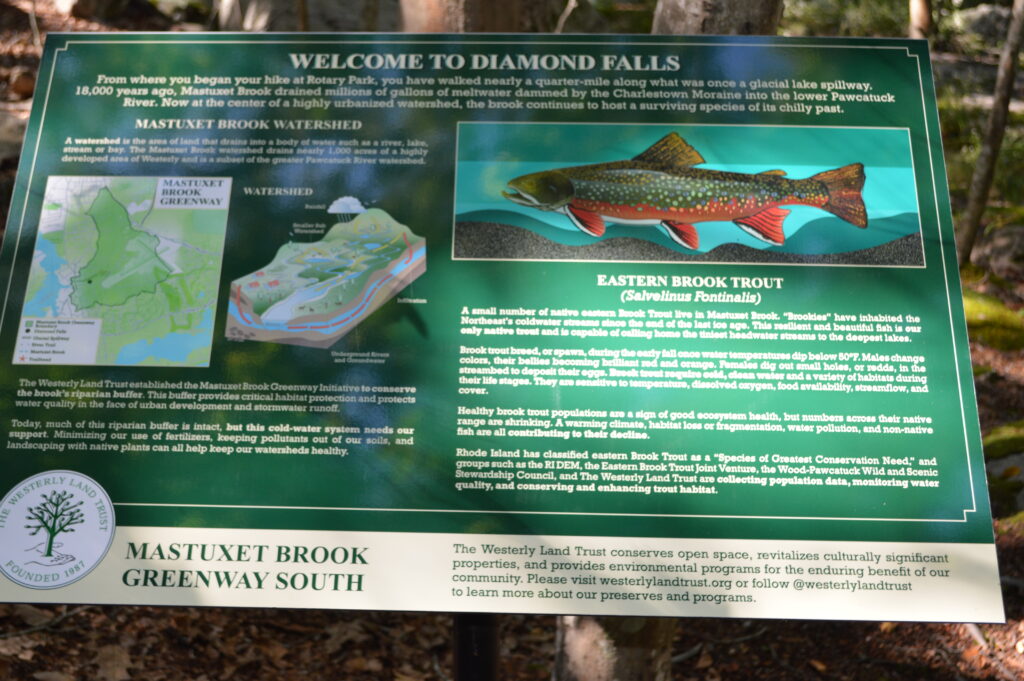
A half dozen people from Westerly Land Trust (WLT) and Wood-Pawcatuck Wild and Scenic Rivers (WP Wild Rivers) gather under a tree at one corner of the property. They’re here to tour the nearby Mastuxet Brook and see one of the signs funded by a WP Wild Rivers grant. The sign is a partial fulfillment of a Memorandum of Agreement between WP Wild Rivers and WLT signed in March 2023. Part of the agreement promises that the Trust will be responsible for activities such as water quality testing, streamflow measurement, and “…educating the public about the importance of monitoring and enhancing water quality in our waterbodies.” That’s where the sign comes in. Read more…
2022 Success Stories
Beaver River Park Invasive Plant Management Plan
The Town of Richmond Administrator, with the Town’s Conservation Commission and Department of Public Works, jointly conserve the Park’s habitat and the Beaver River. Their goals for Beaver River Park are long-term successful native plant restoration and maintenance of Park’s passive recreational uses. The native warm season grasses and herbaceous forbs provide important habitat to songbirds, other wildlife and rare plants that are only found in early successional plant communities. The Stewardship Council approved funds for the Town, which then contracted with a consultant to complete a comprehensive management plan, including action steps, timeline, and estimated costs. The product of their efforts is the Beaver River Park Plant Management and Public Access Plan, September 2022.
Land Preservation Activities
In 2022 The Westerly Land Trust purchased approximately 20 acres along the Pawcatuck River adjacent to about 225 preserved acres. This parcel has many important ecological values, such as an abundance of woodland and wetland wildlife, hardwood forest, freshwater wetlands, vernal pools and riverfront. The non-profit submitted proof of ownership and paid invoices for certain closing costs, then received reimbursement from the Stewardship Council.
The Charlestown Land Trust is seeking to preserve one of the last 100-acre parcels in Town. The location is nearly contiguous with a 500 acre unfragmented forest that includes an Atlantic White Cedar Swamp. It preserves water quality to Saw Mill Pond. The non-profit has earned alternative funding towards purchasing the property. The non-profit submitted a funding request to pay for the appraisal of the property and received funding approval from the Stewardship Council.
Equipment to Restore River Channels
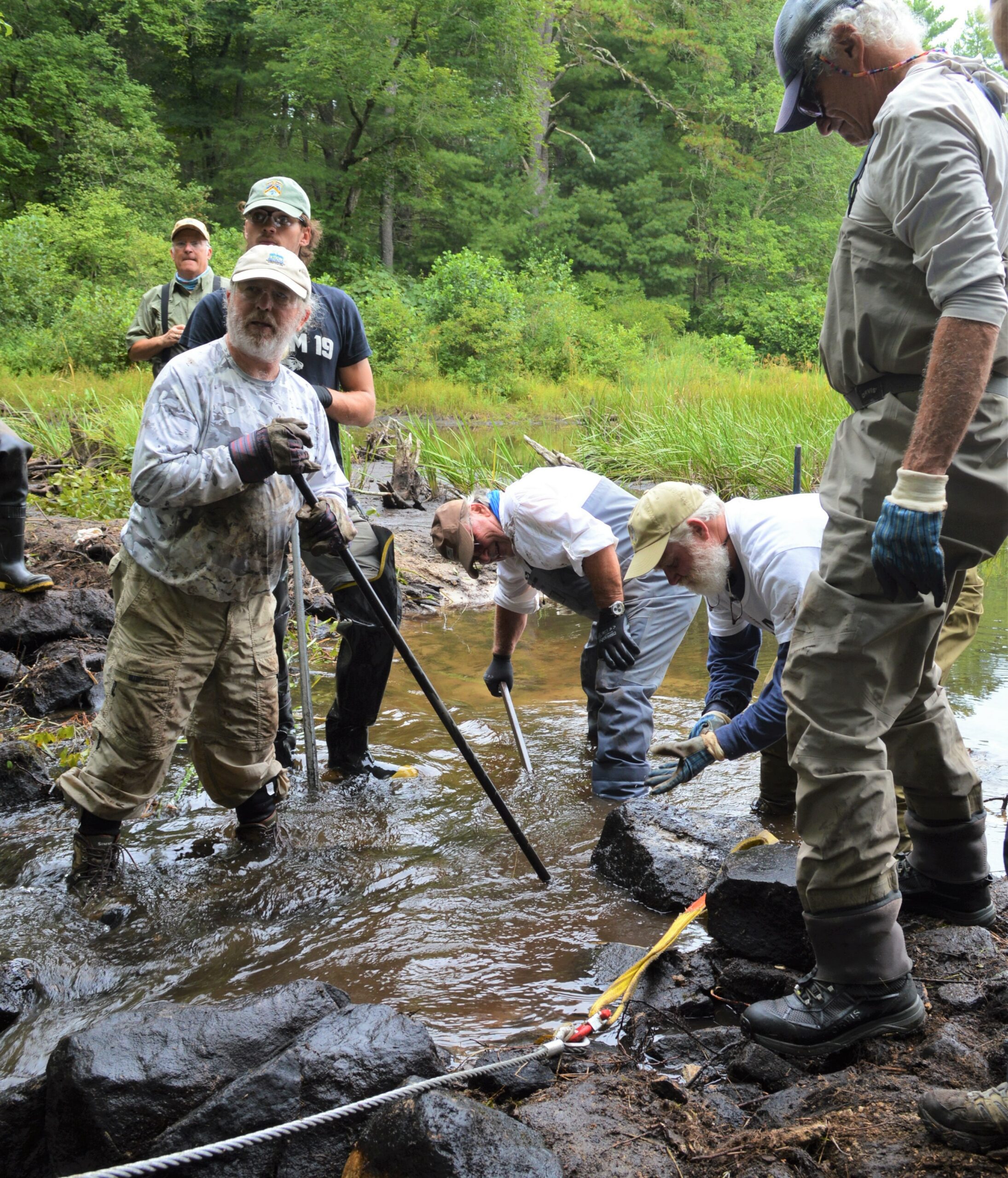
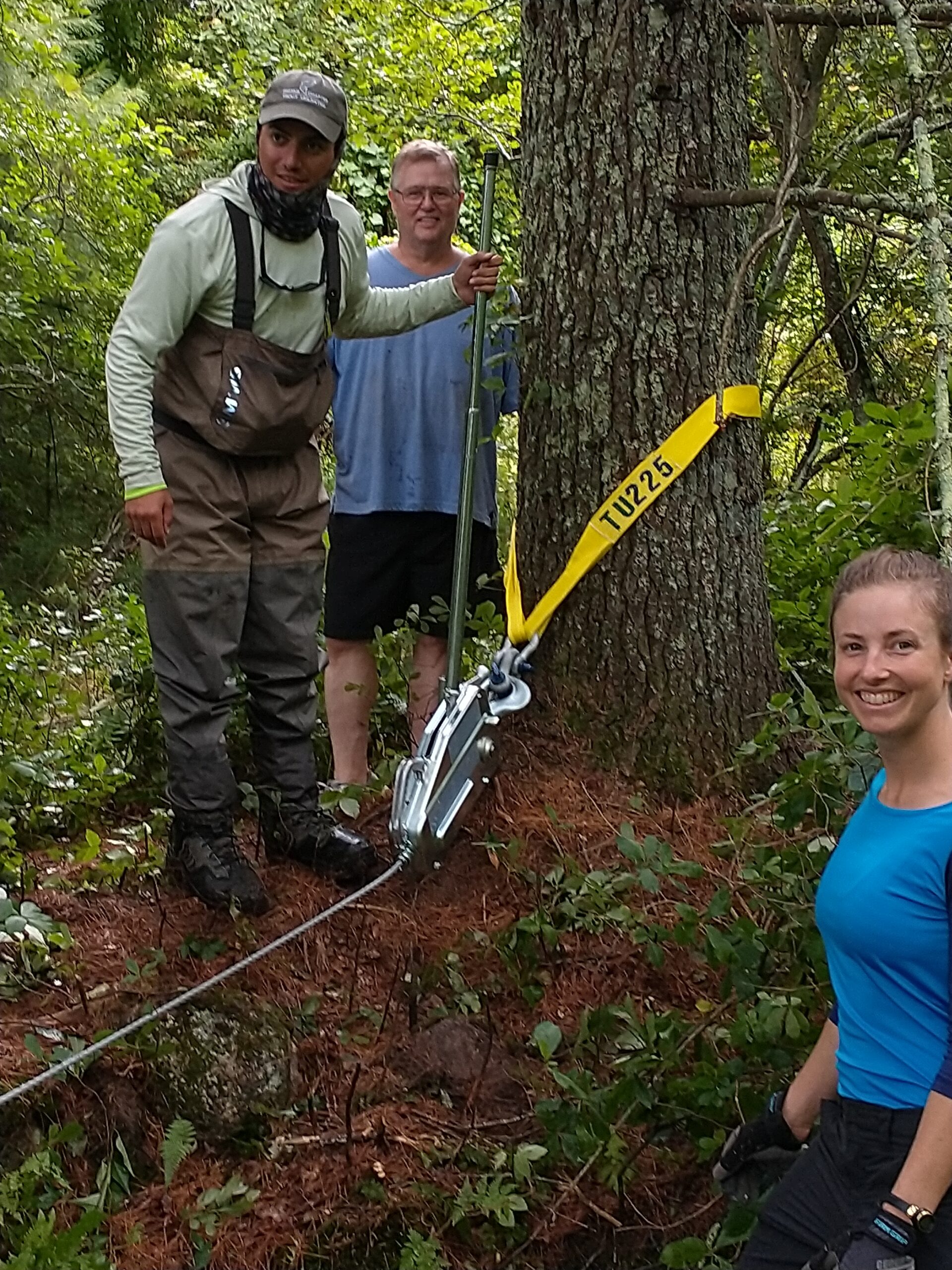
The Narragansett Chapter of Trout Unlimited has a working relationship with the RI Department of Environmental Management Division of Fish and Wildlife to restore and improve native, wild brook trout populations. The Flat River, a tributary to the Wood River, was identified as a primary location to restore the river channel by removing a dilapidated stone wall. Trout Unlimited applied for a grant to purchase a Grip Hoist, and their request was approved by the Stewardship Council. This equipment can be used on future projects to restore and enhance stream channels.
Article by the Fish Wrap Writer, August 24, 2022 (Open Here)